
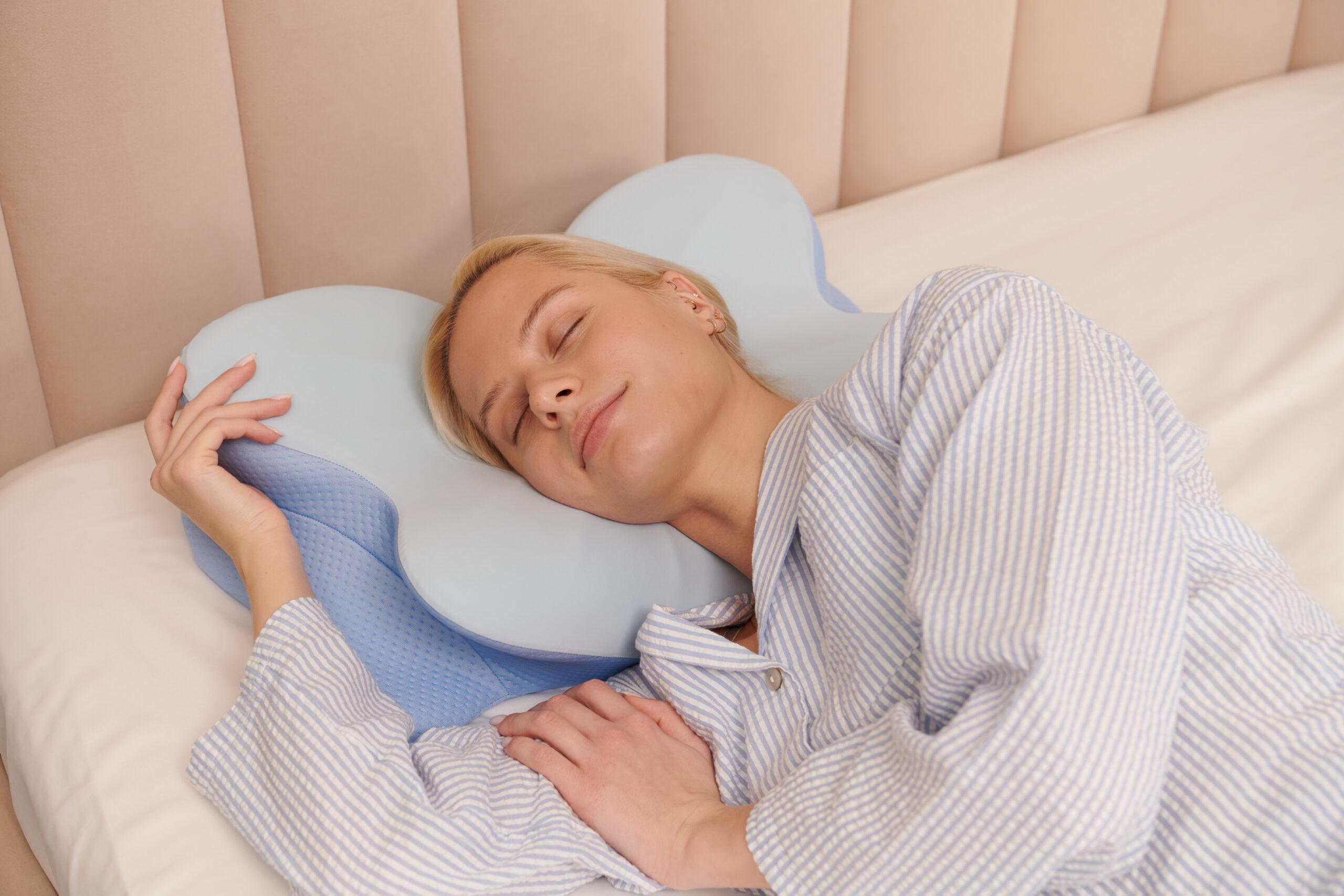
Best Pillow for Neck Pain: A Small Bedroom Sleep Upgrade
A More Honest Pillow Buying Guide
Could Your Pillow Be Making Morning Neck Pain Worse?
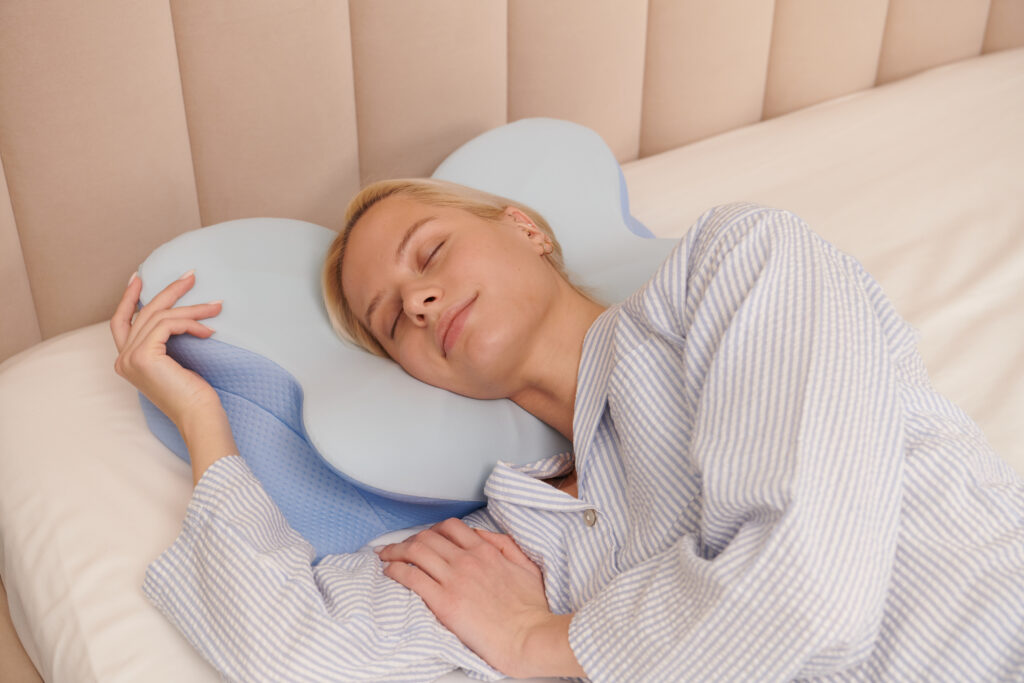
The right pillow is not automatically the fluffiest, firmest, or most expensive one. It needs to suit your sleep position, shoulder width, mattress, and comfort preferences while keeping your head and neck in a comfortable, neutral position.
Affiliate disclosure: This article contains an affiliate link. If you purchase through it, I may earn a commission at no additional cost to you. The recommendation and cautions below are meant to help you decide whether the product fits your needs—not to promise a medical result.
Do not start with the product. Start with the problem.
A pillow can affect how your head and neck are positioned overnight, but it is only one possible piece of the puzzle. Morning discomfort can also relate to sleep position, mattress firmness, posture, stress, an injury, or an underlying condition.
This guide explains what to check before buying and then looks at the compact Derila Ergo Pillow as one option—not as a guaranteed cure or the universal “best” pillow for everyone.
Before You Shop
The Four-Part Pillow Fit Check
“Supportive” is personal. These four details will tell you more than a product headline ever will.
Your Sleep Position
Side sleepers usually need enough height to fill the space between the shoulder and head. Back sleepers commonly need a lower profile that supports the neck without pushing the head forward. Stomach sleepers generally need very little height, if any.
Your Shoulder Width
A broad-shouldered side sleeper often needs more loft than a petite side sleeper. That is why a single “perfect for everyone” height should make you pause.
Your Mattress Firmness
Your body sinks farther into a soft mattress, reducing the gap the pillow must fill. A firm mattress keeps you higher, which may increase the height needed for side sleeping.
Your Feel Preference
Memory foam, latex, fiberfill, and down alternatives feel very different. A pillow can have the “right” shape and still be wrong for you if you dislike slow-response foam, heat retention, or a firmer surface.
Your Bedding Setup
A compact contour pillow can reduce the need to stack several pillows, but confirm that it fits your preferred pillowcase and still looks proportional on your bed.
Your Actual Symptoms
Notice when the discomfort appears, where it travels, and whether changing position helps. A new pillow is a reasonable comfort experiment—not a replacement for evaluation when symptoms are intense, persistent, or neurological.
Height Matters
Which Pillow Profile Usually Fits Each Sleep Position?
These are starting points, not exact prescriptions. Your body shape and mattress can shift what feels comfortable.
| Sleep position | Common starting point | What good alignment looks like | Common mistake |
|---|---|---|---|
| Side sleeper | Medium to higher loft, depending on shoulder width and mattress firmness | Head stays level rather than tilting down toward the mattress or up toward the ceiling | Choosing a pillow that collapses too much or is too tall for a smaller frame |
| Back sleeper | Low to medium loft with gentle support beneath the neck | Chin is not pushed toward the chest and the head does not fall too far backward | Stacking pillows and forcing the head forward |
| Stomach sleeper | Very low loft or, for some people, no head pillow | Neck rotation is minimized as much as possible | Using a thick contour pillow that increases neck extension |
| Combination sleeper | A responsive medium profile with room to reposition | The pillow remains supportive without locking the head into one position | Choosing a narrow shape that feels restrictive when turning |
What Usually Goes Wrong
Five Pillow-Buying Mistakes to Avoid
Buying “firm” without checking height
A firm pillow can still be too low or too tall. Firmness and loft are separate decisions.
Trusting “all sleep positions” literally
One contour may accommodate several positions, but it cannot account perfectly for every shoulder width, mattress, and preference.
Ignoring the pillowcase
Unusual shapes may require a dedicated cover. Check whether one is included and what replacements cost.
Expecting one-night proof
A new shape may feel unfamiliar. Test it consistently, but stop if it clearly worsens pain, causes numbness, or feels unsafe.
Skipping the return details
A “60-day policy” does not always mean free returns or a refund of every shipping charge. Read the terms before checkout.
Buying before checking daytime habits
Phone posture, computer setup, stress, and long periods in one position can also contribute to neck tension.
Featured Compact Option
An Honest Look at the Derila Ergo Pillow
I am featuring this as one compact contour-pillow option to evaluate—not calling it a guaranteed treatment or the best fit for every sleeper.
Why it may appeal to a small-space sleeper
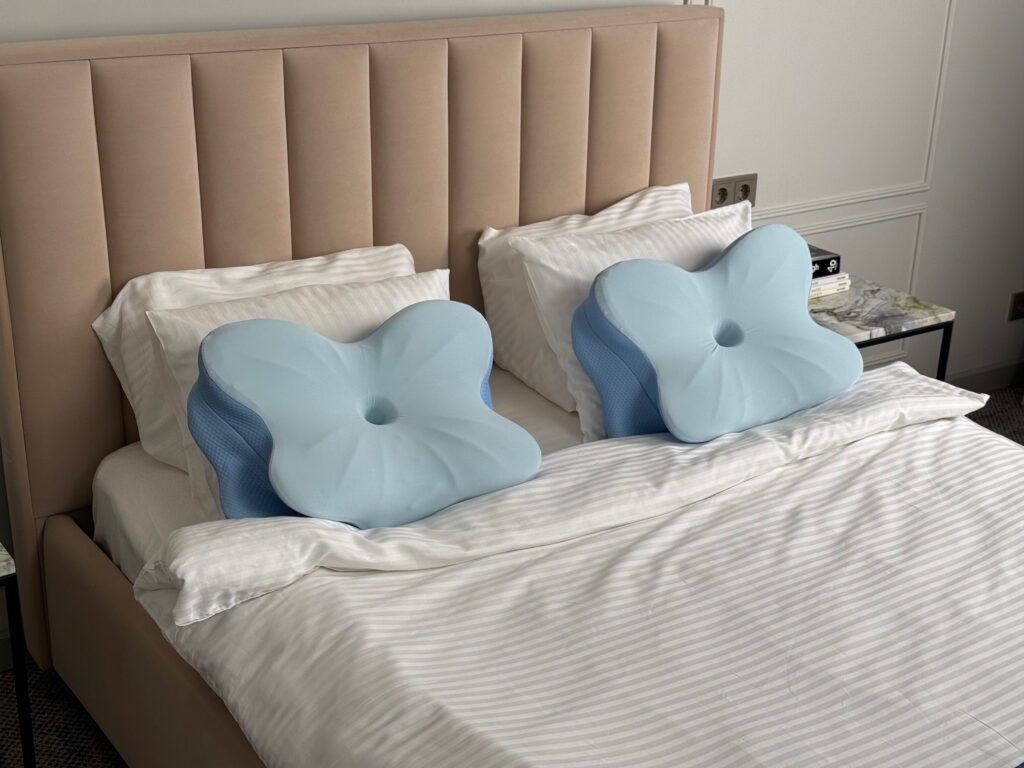
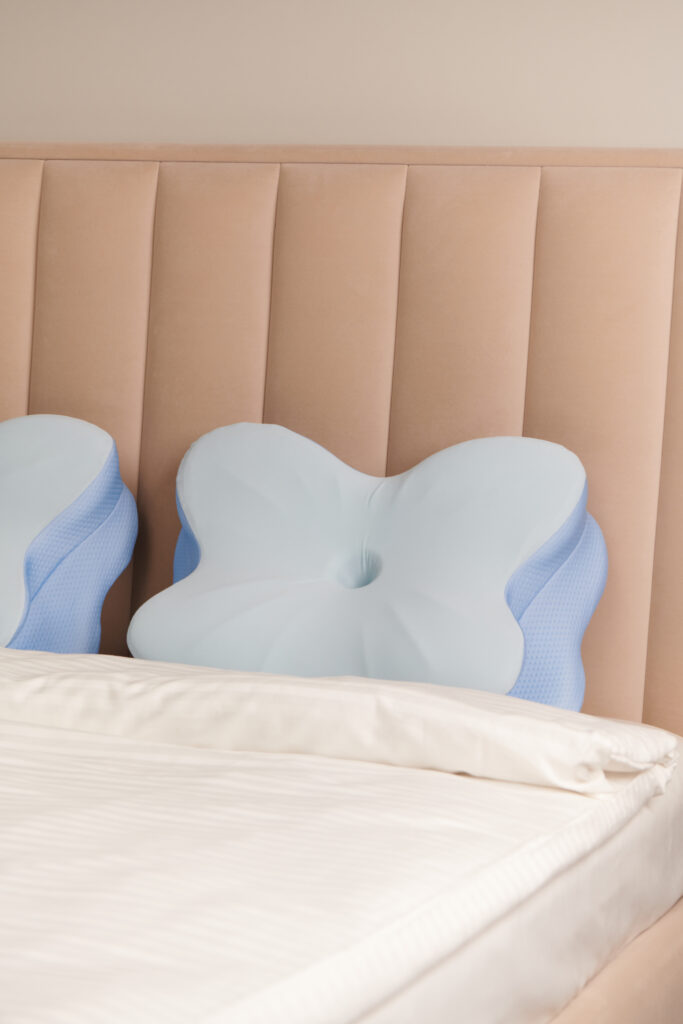
The standard Derila has a smaller footprint than a conventional bed pillow and uses a contoured memory-foam shape. That may appeal to someone who wants one defined support pillow instead of a stack of loose pillows taking over a compact bed.
What I would check before ordering: the current price, what is included, whether the standard or larger size suits your frame, pillowcase compatibility, final shipping charges, and the return terms shown at checkout.
Affiliate link. Product details, bundles, price, shipping, and terms can change; review the checkout page carefully before purchasing.
Make the Decision First
Consider It—or Skip It?
This is the part most product roundups leave out. A useful recommendation should tell you who is likely to appreciate the product and who may be better off choosing something else.
It may be worth considering if…
- You sleep mostly on your back or side and want to try a defined neck contour.
- Your current pillow collapses, feels shapeless, or leads you to stack multiple pillows.
- You prefer the slower, molded feel of memory foam.
- You want a compact pillow that takes up less visual space on a small bed.
- You are willing to verify the height, size, pillowcase, shipping, and return terms first.
Skip it—or compare alternatives—if…
- You are primarily a stomach sleeper and dislike any noticeable pillow height.
- You strongly prefer a fluffy, adjustable, or down-like pillow.
- You sleep hot and know solid memory foam bothers you.
- You have very broad shoulders and need more side-sleeping loft than the listed contour provides.
- You need a standard pillowcase to fit perfectly without buying a shaped cover.
- Your pain is severe, follows an injury, persists, or includes numbness, weakness, tingling, or radiating symptoms.
Read This Before Checkout
The Return Window Is Helpful—but It Is Not the Same as Free Returns
What the brand currently states
Derila’s published policy describes a 60-day return window for physical products purchased through its website. It also says customers are responsible for return-shipping costs and must contact customer service and complete the required return authorization process.
Timing affects what is refunded
The policy states that returns initiated within 14 days may include the product price and initial standard delivery fee, while returns after 14 days but within 60 days generally refund the product price, not the initial delivery fee. Nonstandard shipping and return postage may not be refunded.
Test It Like a Real Person
A Simple New-Pillow Test Plan
Do not judge a pillow by how impressive it looks on the bed. Judge it by what happens during and after sleep.
Let it expand
Follow the product instructions and allow vacuum-packed foam enough time to regain its intended shape.
Try both contours
If the pillow has two heights, test which edge keeps your head more level in your usual sleep position.
Change one thing
Avoid changing the pillow, mattress topper, sleeping position, and bedtime routine all at once. You want to know what actually helped.
Track mornings
For several nights, note stiffness, headaches, arm symptoms, sleep interruptions, heat, and whether discomfort improves after getting up.
Do Not Treat Every Pain Like a Pillow Problem
When to Contact a Healthcare Professional
A pillow experiment is reasonable for ordinary comfort, but it should not delay care. Seek emergency evaluation for severe neck pain after an accident, fall, diving injury, or other trauma. Contact a healthcare professional when pain is intense, fails to improve after several days, spreads into an arm or leg, or occurs with headache, numbness, weakness, or tingling.
Questions Before You Buy
Pillow and Neck-Comfort FAQ
Can a pillow cure neck pain?
No pillow should be presented as a guaranteed cure. A better-fitting pillow may improve comfort or reduce waking symptoms for some people, but neck pain has many possible causes.
Is memory foam automatically better for neck support?
No. Research suggests pillow shape, height, and material can affect comfort, but no single material wins for every person. Some sleepers like the stable contour of memory foam; others prefer latex, fiber, or an adjustable fill.
How do I know whether my pillow is too high?
On your back, an overly high pillow may push your chin toward your chest. On your side, it may tilt your head upward. A partner, mirror, or quick photo from behind can help you see whether the head looks level with the spine.
How do I know whether my pillow is too low?
A side sleeper’s head may tilt toward the mattress, while a back sleeper may feel unsupported beneath the neck. Repeatedly folding or stacking the pillow can also signal that you need more loft or a different shape.
Is the Derila pillow small enough for a compact bedroom?
The standard model’s listed footprint is roughly 19.6 by 11.8 inches, which is smaller than many conventional bed pillows. That can look tidy on a twin, full, or compact bed, although comfort and fit should still come before appearance.
Should I buy the standard or larger version?
The standard size may suit sleepers who want a compact footprint. Someone with a larger frame, broad shoulders, or a tendency to move around may prefer more surface area. Compare the current dimensions and contour height before ordering.
The Bottom Line
Check the fit—not just the promise.
The Derila Ergo may be worth comparing when you want a compact, contoured memory-foam pillow and its listed height matches your body and sleeping setup. It is much less likely to be a good purchase when you dislike memory foam, need a very different loft, or are expecting one product to solve a medical problem by itself.
Affiliate link. Confirm the exact size, total price, included items, shipping charges, and return terms before ordering.
How this guide was evaluated
I compared the product’s published dimensions and materials with general clinical guidance about maintaining comfortable head-and-neck alignment. Product specifications and return terms came from Derila’s published user guide and return policy. Medical guidance came from Mayo Clinic and peer-reviewed pillow research.
Keep Improving the Room