
How to Reset Your Small Space in 15 Minutes a Day
A Realistic Daily Home Reset
Make the room usable again—then stop when the timer ends
A 15-minute reset is not a deep clean, decluttering marathon, or complete organizing project. It is a short routine for removing the visual clutter that makes a compact home feel harder to live in.
Affiliate disclosure: This post contains affiliate links. If you shop through one of them, I may earn a commission at no additional cost to you.
Small spaces can look messy quickly because floors, counters, seating, toys, mail, dishes, and daily supplies are often visible from the same spot. The upside is that a few high-impact actions can also change the room quickly.
The reset works because it restores the areas that affect daily life: the sink, the main surface, the floor path, and the places where everyday items land. It does not require every drawer to be organized or every room to be fully cleaned.
Use this routine at the end of the day, before guests arrive, after the morning rush, or whenever the home feels visually louder than you can manage.
A small space feels better when everything has a simple place to land—and when you know which mess can wait.
Use the Time You Actually Have
The reset still counts when you cannot do all 15 minutes
Choose the version that matches the day instead of abandoning the routine completely.
Trash, dishes, floor path
Remove obvious trash and food, gather dishes, and clear the main walking area. Stop there.
Add one surface and the basket
Complete the five-minute rescue, clear the most visible surface, and collect misplaced items in one basket.
Restore the room and close it out
Add the soft-surface reset, floor pickup, and one comfort cue that signals the routine is finished.
The Seven-Step Routine
Reset what changes the room—not everything in the room
Each step includes a boundary so a quick reset does not turn into an exhausting cleaning session.
Choose One Visible Zone
Pick the room or connected area that will make the biggest visual difference tonight. Do not start opening closets, drawers, or storage bins.
Best forLiving room, kitchen, entryway, bedroom, or the area you see first in the morning.
Stop ruleThe timer is for restoring the room—not reorganizing the entire home.
Remove Trash and Food
Collect wrappers, packaging, cups, expired food, junk mail, and anything that can be thrown away, recycled, or returned to the kitchen immediately.
Best forFast visual relief and removing items that should not remain in the room.
Stop ruleDo not pause to sort old paperwork or read the mail.
Reset Dishes and the Sink
Move dishes to the dishwasher or sink, load what fits, and create one neat wash zone for anything that must wait.
Best forHomes where the kitchen counter and sink make the entire space feel behind.
Stop ruleA full sink scrub or cabinet cleanout belongs in a different cleaning block.
Clear One Main Surface
Choose the counter, coffee table, dining table, bathroom vanity, or nightstand that creates the most visual noise. Return the obvious items and leave breathing room.
Best forSmall homes where one crowded surface can make the whole room look cluttered.
Stop ruleDo not move clutter from one visible surface to another.
Use a Temporary Reset Basket
Collect items that belong in other rooms—such as toys, chargers, baby items, toiletries, and mail—without walking back and forth for every object.
Best forBusy households and shared rooms with many small misplaced items.
Stop ruleThe basket is not storage. Empty it after the reset or during the next morning routine.
Clear the Floor and Soft Surfaces
Pick up shoes, bags, toys, and clothes. Straighten the sofa, fold the throw, smooth the bedding, and restore the main walking path.
Best forCreating an immediate sense of space and reducing trip hazards.
Stop ruleSkip vacuuming unless crumbs or debris are the main visible problem.
Finish With One Comfort Cue
Turn on a warm lamp, open the window briefly, start a diffuser, or place tomorrow’s essentials where they will be easy to grab.
Best forMaking the reset feel complete and preparing the room for rest or the next morning.
Stop ruleChoose one finishing touch. The goal is closure, not another styling project.
Printable Reset Schedule
Your 15-minute small-space reset
Use the schedule as a guide. Shift a minute or two toward the area creating the biggest problem that day.
| Time | Task | What finished looks like |
|---|---|---|
| 0:00–0:30 | Choose one visible zone | You know exactly where the reset begins and ends. |
| 0:30–2:30 | Remove trash and food | Obvious garbage, cups, packaging, and food leave the room. |
| 2:30–5:30 | Reset dishes and sink | Dishes are loaded, washed, or contained in one neat wash zone. |
| 5:30–8:30 | Clear one main surface | The most visible counter or table has breathing room. |
| 8:30–10:30 | Fill the temporary reset basket | Misplaced items are contained without room-to-room trips. |
| 10:30–13:30 | Clear floor and soft surfaces | The walking path, sofa, bed, and visible textiles feel restored. |
| 13:30–15:00 | Add one closing cue | The room feels ready for rest or the next morning. |
What Belongs in a Reset?
Know what to do now—and what to schedule later
This boundary is what keeps a daily routine sustainable.
Do during the reset
- Remove obvious trash, dishes, food, laundry, and floor clutter
- Return items when their home is obvious and nearby
- Contain misplaced items in one temporary basket
- Wipe one high-impact surface when time allows
- Restore the sofa, bed, table, or main walking path
Schedule for another time
- Closet, cabinet, pantry, and drawer organization
- Paperwork decisions and sentimental-item sorting
- Deep cleaning appliances, grout, windows, or baseboards
- Donation projects and large toy rotations
- Shopping for organizers before measuring and decluttering
Optional Reset Helpers
Six tools that can reduce friction—but are not required
Use what you already own first. Add a product only when it fixes a repeated problem in the routine.
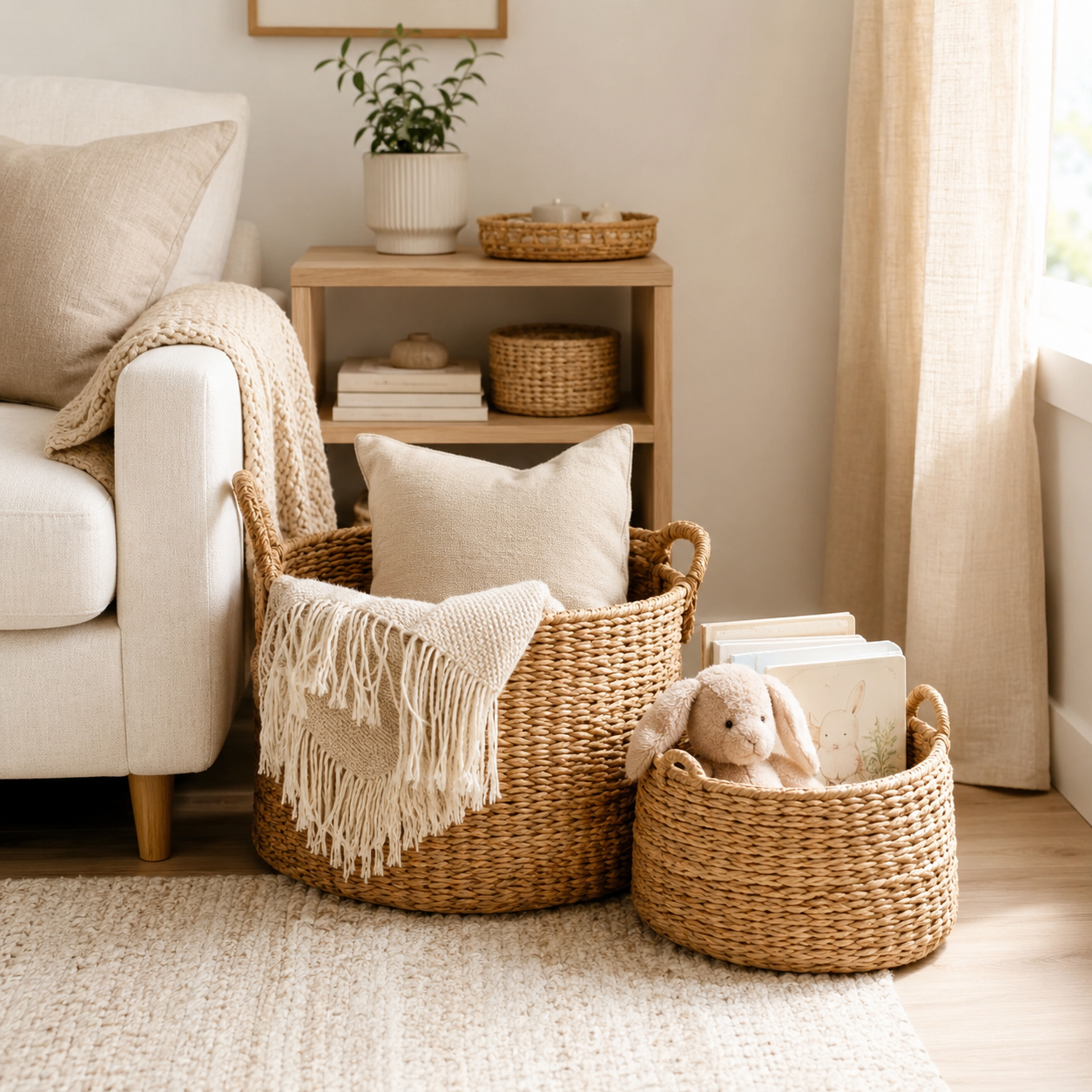
A Lightweight Reset Basket
Helpful forCollecting items from several categories without walking room to room during the timer.
Check firstChoose a basket that is easy to carry when full and has a permanent storage spot when empty.
Skip it whenIt becomes a long-term holding area that is never emptied.
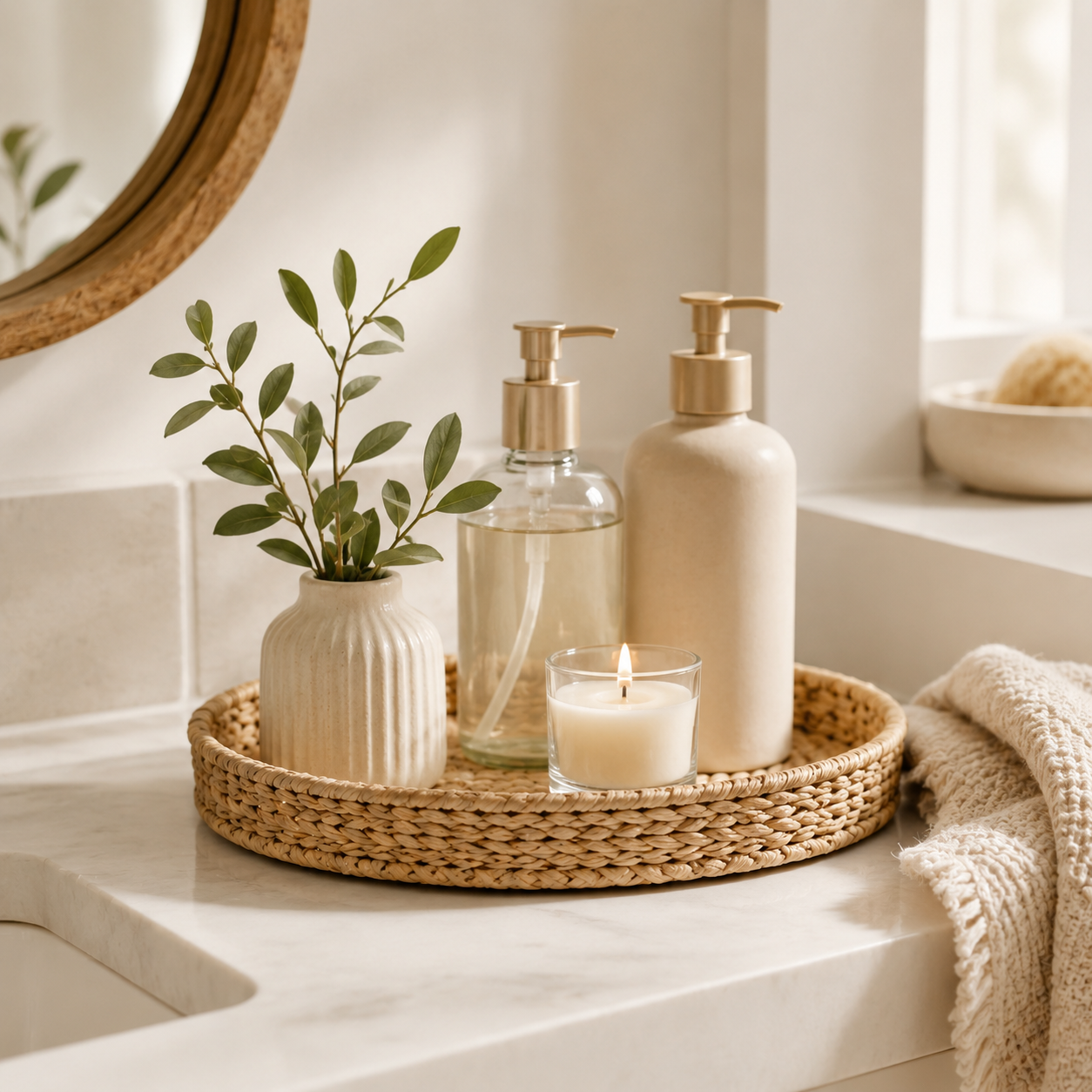
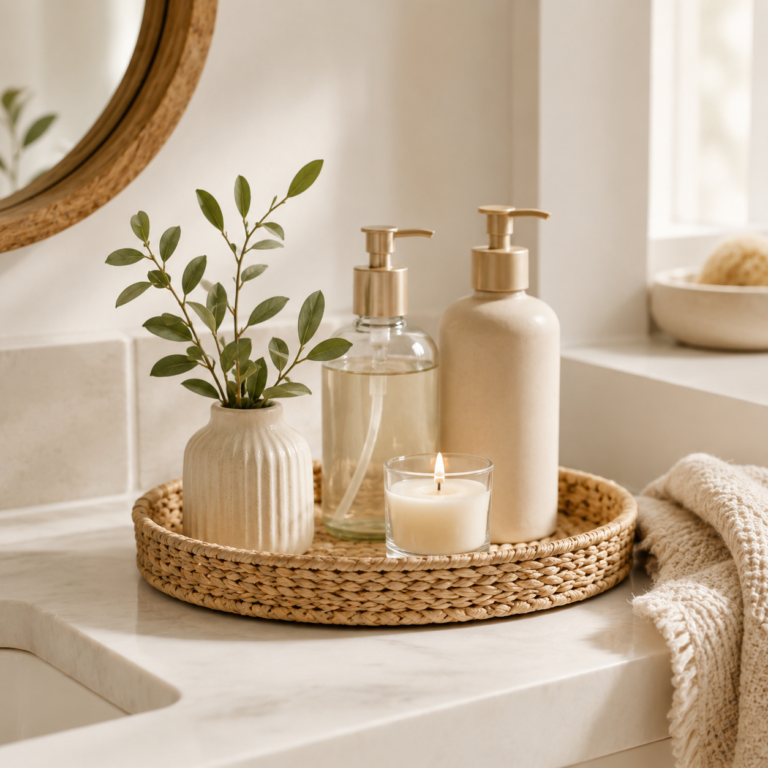
One Small Countertop Tray
Helpful forGiving a limited group of daily-use items a visual boundary and making the surface faster to wipe.
Check firstMeasure the surface and decide exactly which two to four items belong on the tray.
Skip it whenThe tray becomes a parking lot for every product left on the counter.
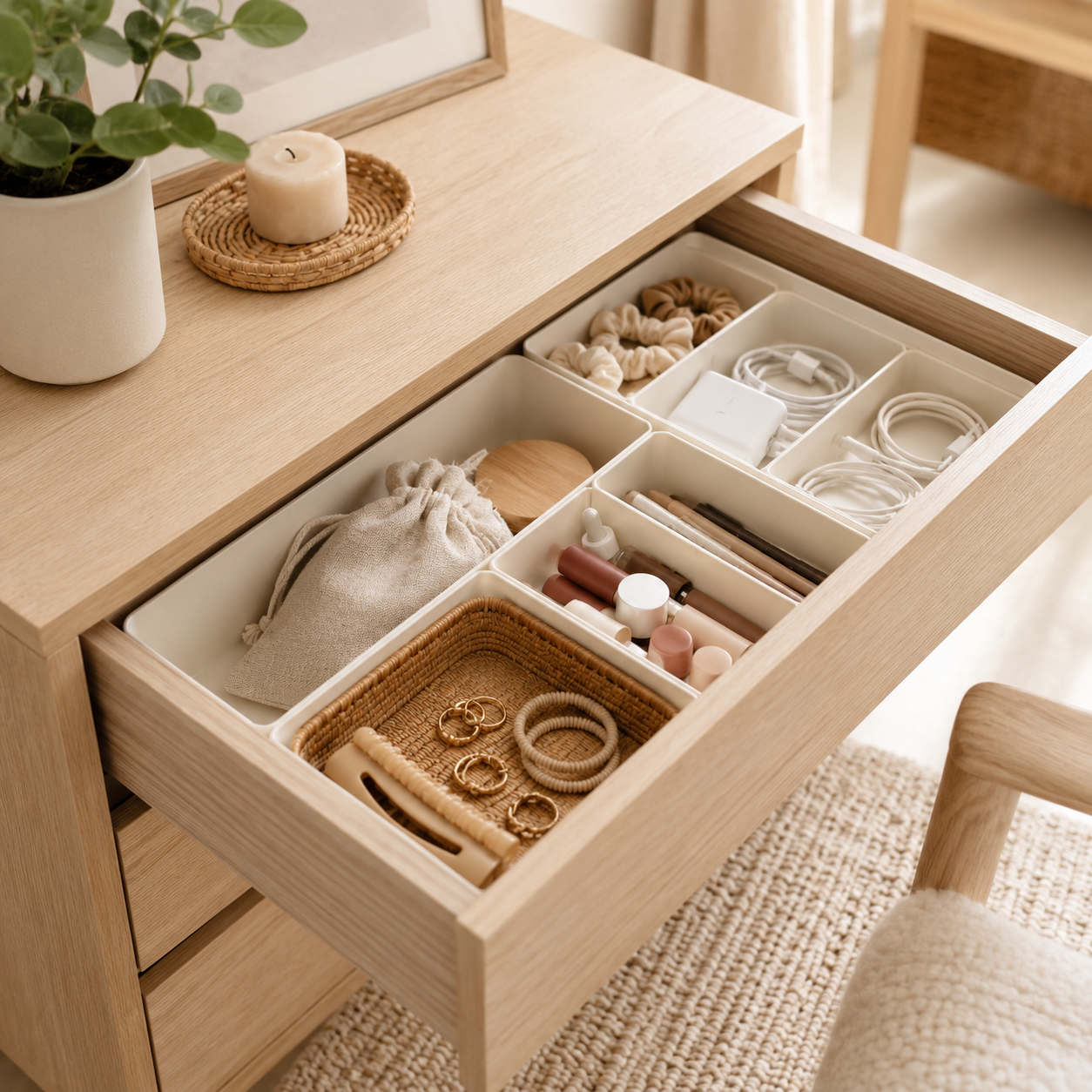
Drawer Dividers for Tiny Categories
Helpful forKeeping hair ties, pens, makeup, cords, and other small items from becoming one mixed drawer.
Check firstDeclutter and measure the usable drawer before choosing fixed or adjustable compartments.
Skip it whenThe organizers reduce usable space or are purchased before the category is edited.
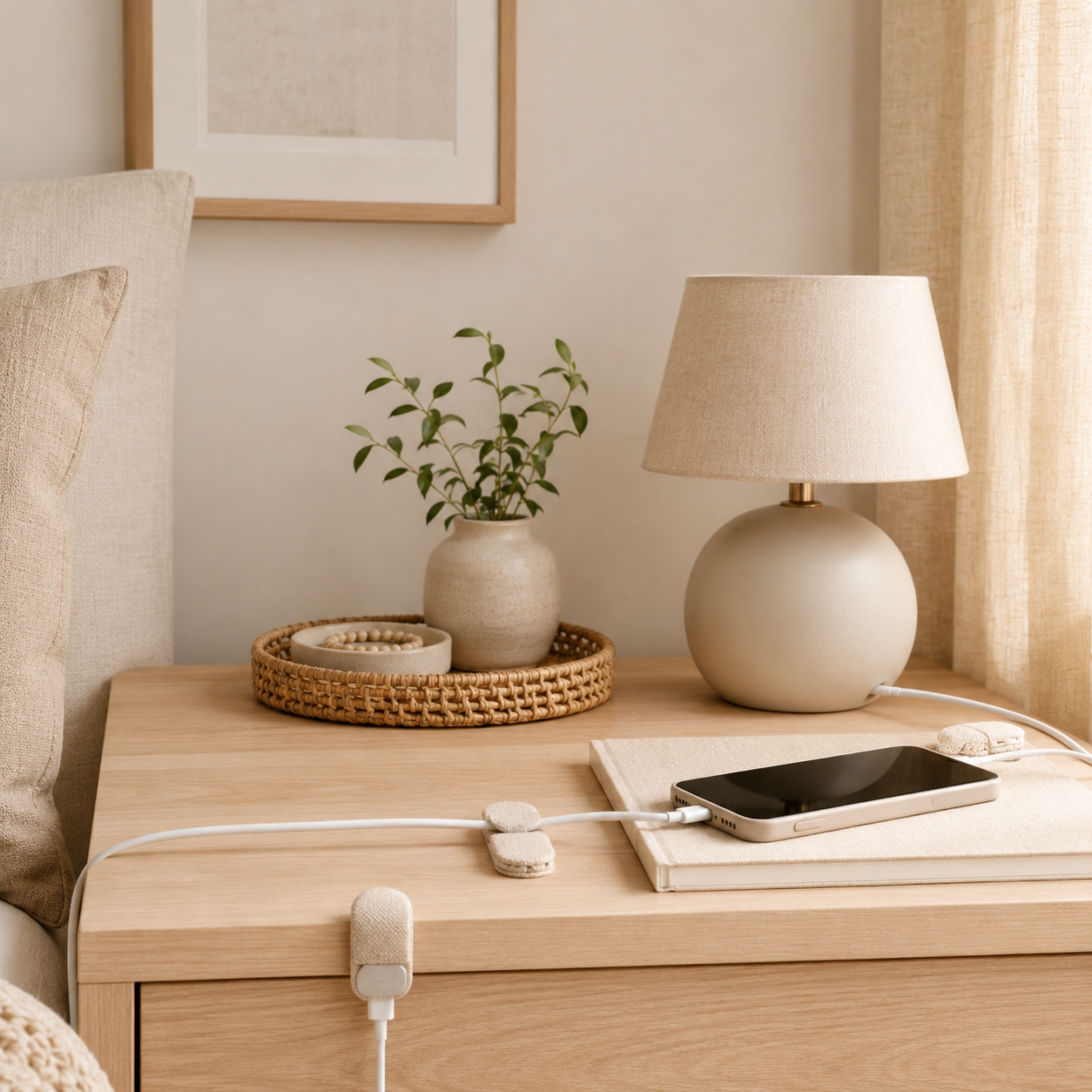
Simple Cord Control
Helpful forKeeping active charging cords accessible without letting them spread across the counter or floor.
Check firstConfirm surface compatibility, cord thickness, removal instructions, and access to outlets.
Skip it whenThe clips damage the finish or hide cords that must be unplugged frequently.
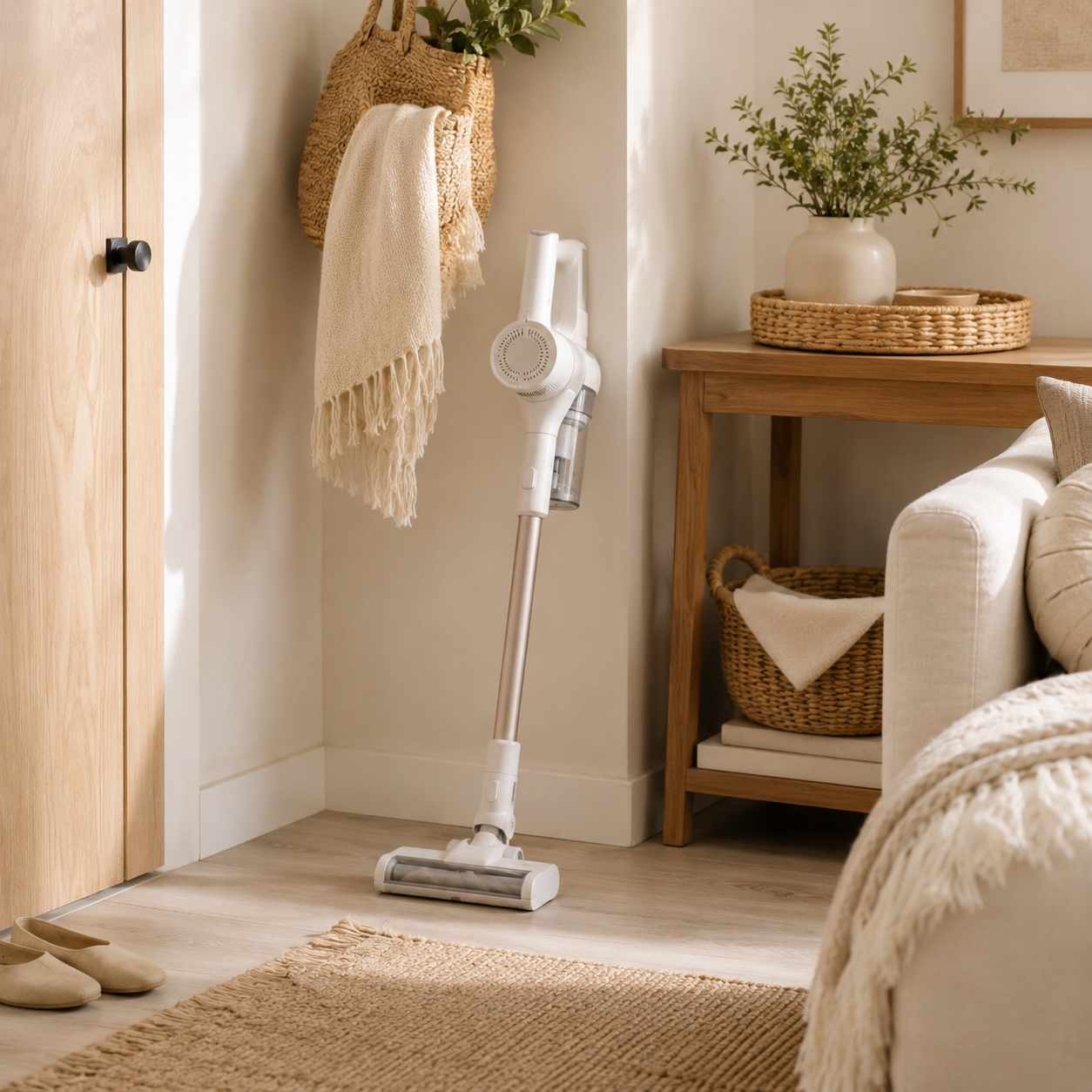
A Small Cordless Vacuum
Helpful forHandling crumbs, entry dirt, and high-chair or sofa messes when pulling out a full vacuum feels unrealistic.
Check firstReview storage, charging location, runtime, filter care, attachments, and the messes it handles well.
Skip it whenIt duplicates a convenient vacuum already owned or creates another charger with no home.

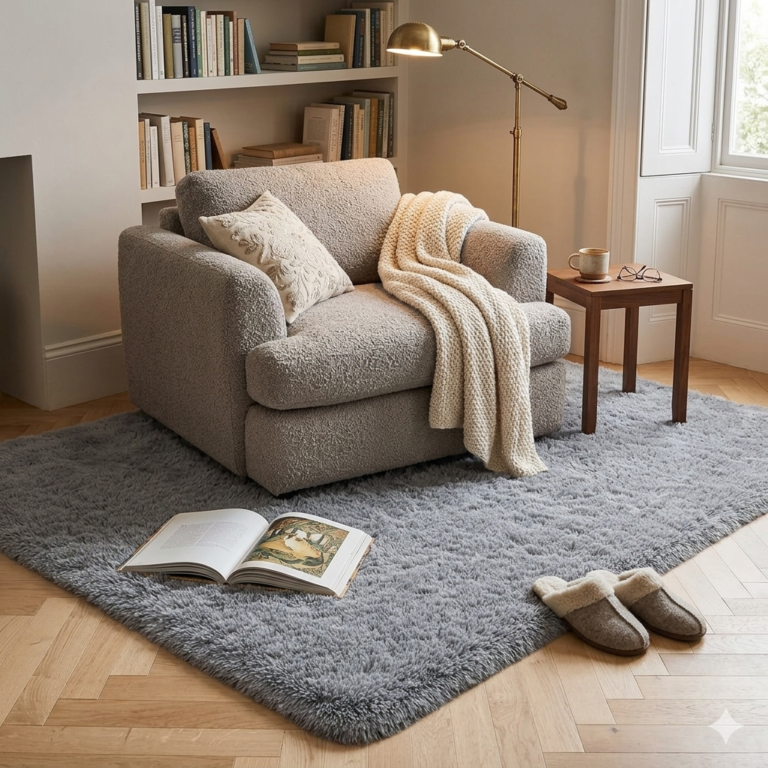
One Cozy Closing Cue
Helpful forSignaling that the reset is finished and shifting the room from task mode to rest mode.
Check firstChoose a safe, low-maintenance cue such as a lamp, folded throw, open window, or prepared morning station.
Skip it whenThe finishing touch adds fragrance, flame, or clutter that does not suit the household.
Need Practical Small-Space Finds?
Browse after identifying the part of the reset that keeps failing
Look for baskets, trays, drawer organizers, cord control, compact cleaning tools, and other small-space helpers after measuring and deciding where each item will live.
15-Minute Reset FAQ
Questions that make the routine easier to keep
What if the home is too messy for 15 minutes to make a difference?
Choose one visible zone and use the five-minute rescue first: trash, dishes, and the main floor path. Repeat the routine later rather than expanding one session into an exhausting project.
When should I empty the reset basket?
Empty it immediately after the timer when you still have energy, or make it the first task the next morning. The basket should not become permanent storage.
Should I reset every room each night?
No. Choose the room that affects the next part of the day most—often the kitchen, living area, entryway, or bedroom. Rotate zones as needed.
What if children or other household members undo the reset?
Focus on restoring function rather than preserving a perfect appearance. Use easy drop zones, keep daily categories simple, and assign one small age-appropriate reset task when possible.
Do I need to buy organizers for this routine?
No. Start with a bag for trash, an existing basket or box, and the storage you already have. Buy only after a repeated problem and exact storage location are clear.
Peaceful, Not Perfect
The routine succeeds when tomorrow feels easier
Clear the items that interrupt daily life, restore one visible zone, contain what belongs elsewhere, and stop when the timer ends. A small home does not need to be fully finished to feel calmer and easier to use.
Keep Building Simple Systems