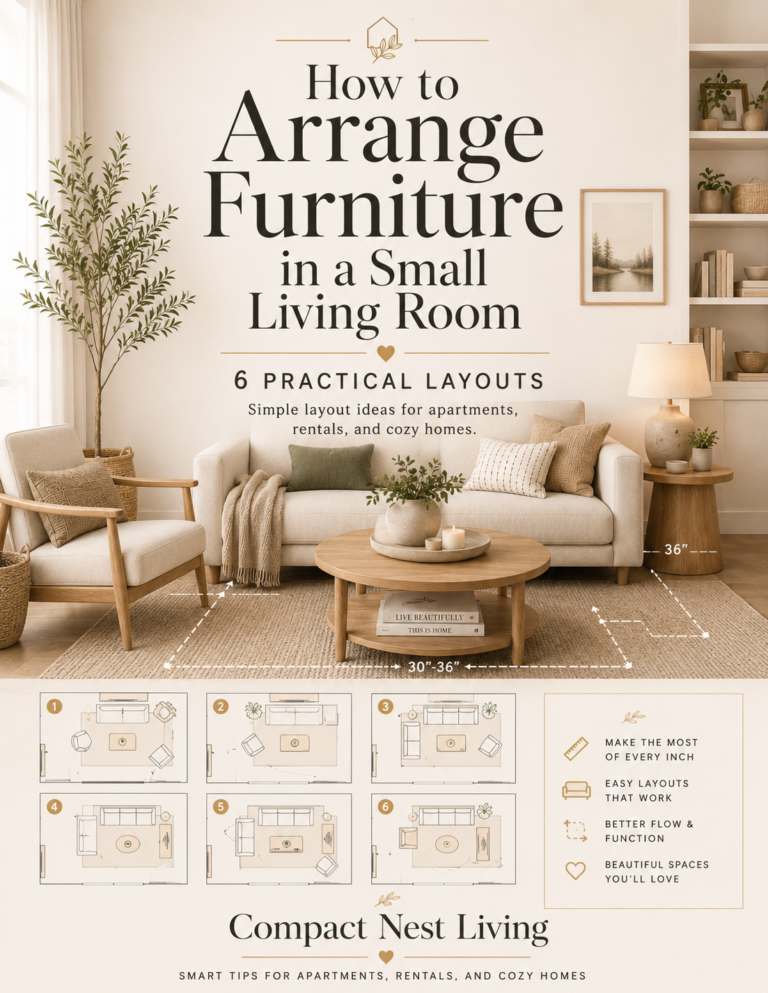
Living Room Ideas for Small Spaces
Small Living Room Guide
Make Your Small Living Room Work Better
Fix the layout, choose furniture that truly fits, contain everyday clutter, and add warmth without filling every open corner.
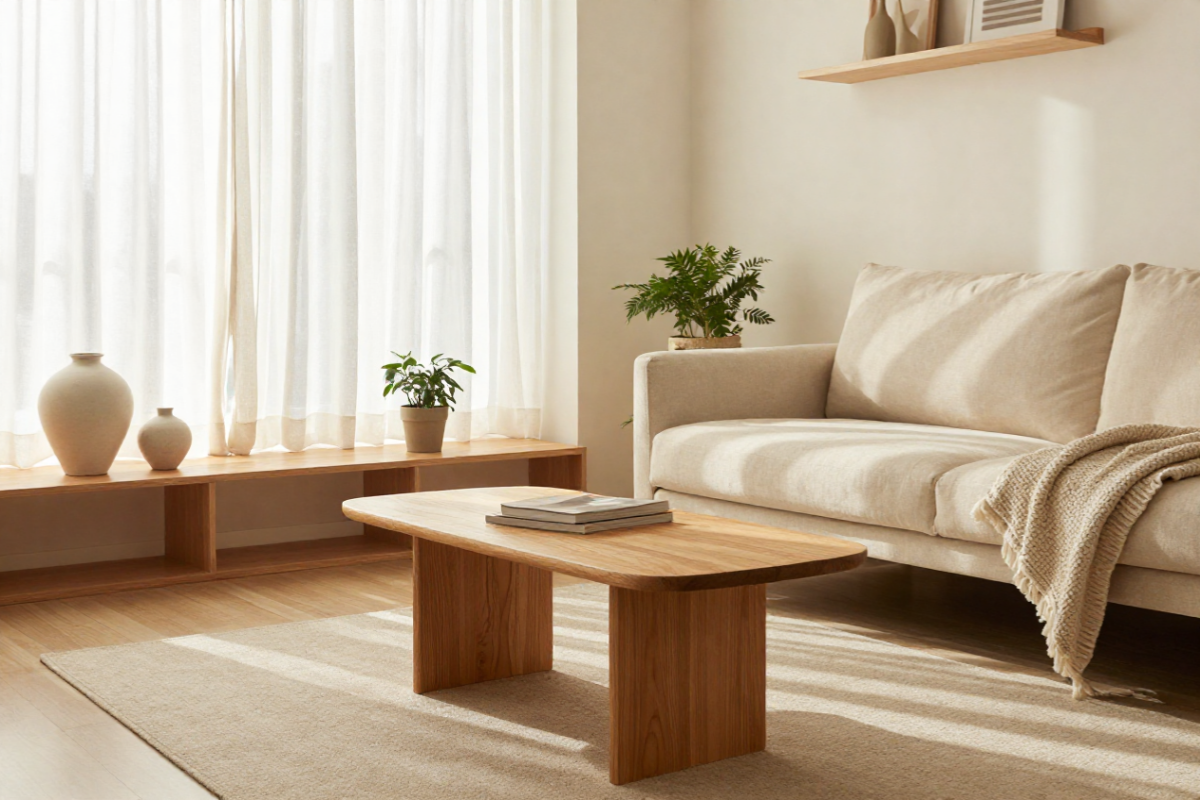
A small living room usually feels cramped for one of four reasons: the layout blocks movement, the furniture is too deep, everyday items have nowhere to land, or the room needs warmth rather than more stuff.
Use this page as your starting point. Fix the problem that affects daily life most, then continue into the detailed guide that matches your next step.
The goal is not to fill every corner. The goal is to make the room comfortable, useful, and easy to reset.
Start With the Problem
What Is Making the Room Feel Too Small?
Choose the closest problem below. You may not need to buy anything until the layout and clutter patterns work better.
Fix the walkway first
Move the largest pieces and protect one direct route through the room.
Start with the layout →Check depth, not only width
A deep sofa, coffee table, or media unit can shrink the usable center of the room.
Choose a better fit →Contain repeated clutter
Give blankets, toys, books, remotes, and cords a home near where they are used.
Build hidden storage →Add warmth without adding bulk
Use better lighting, one soft layer, and a stronger focal point before adding furniture.
Make it feel cozier →The Best No-Buy Improvement
Fix the Layout Before You Shop
The best arrangement supports the room’s main job and keeps doors, drawers, patio access, and the natural walking path usable.
Choose the room’s main job
Decide whether the room mainly supports television, conversation, relaxing, play, entertaining, or several uses.
Protect the main walkway
Stand at the entrance and identify the most direct path to the hallway, kitchen, bedroom, or patio.
Place the largest piece first
Position the sofa, then add only the tables, chairs, and storage the room truly needs.
Fit Matters More Than the Trend
Choose Furniture That Earns Its Space
A piece can technically fit and still make the room harder to use. Check its total footprint, operating clearance, and delivery path.
Sofa or Loveseat
Check overall depth, arm width, seat depth, and how much floor remains in front of the sofa.
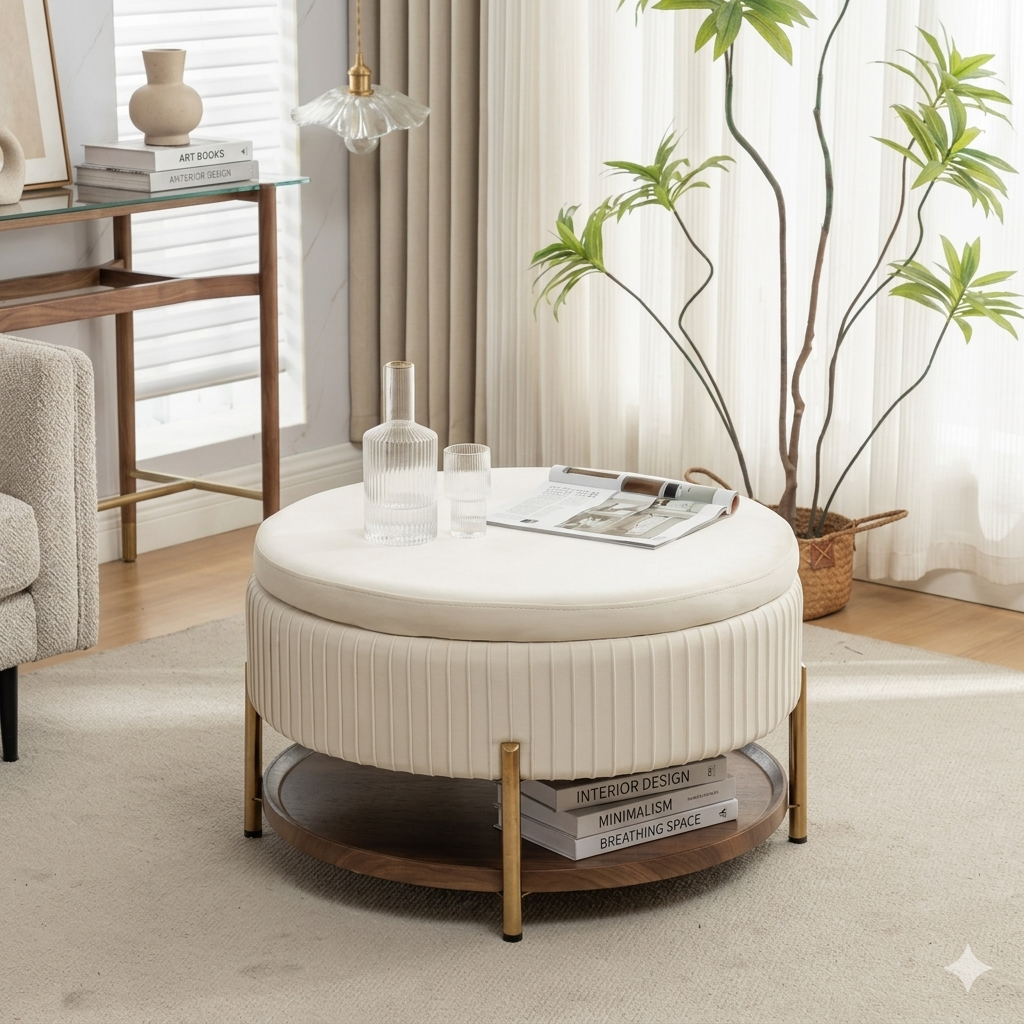
Ottoman or Nesting Tables
A storage ottoman or movable nesting tables can be easier to live with than a deep fixed coffee table.
Shallow Media Furniture
Look for useful storage without taking more room depth than the wall can comfortably support.
Measure before you order
Check the room, doorway, delivery path, and walking clearance with my Will It Fit? furniture measuring guide.
Hide What the Room Uses Every Day
Storage That Does Not Add More Clutter
Choose storage for a repeated problem—not simply because an empty corner exists.
Storage Ottoman
Combines concealed storage with a footrest or occasional table. Check lid clearance and walking space.
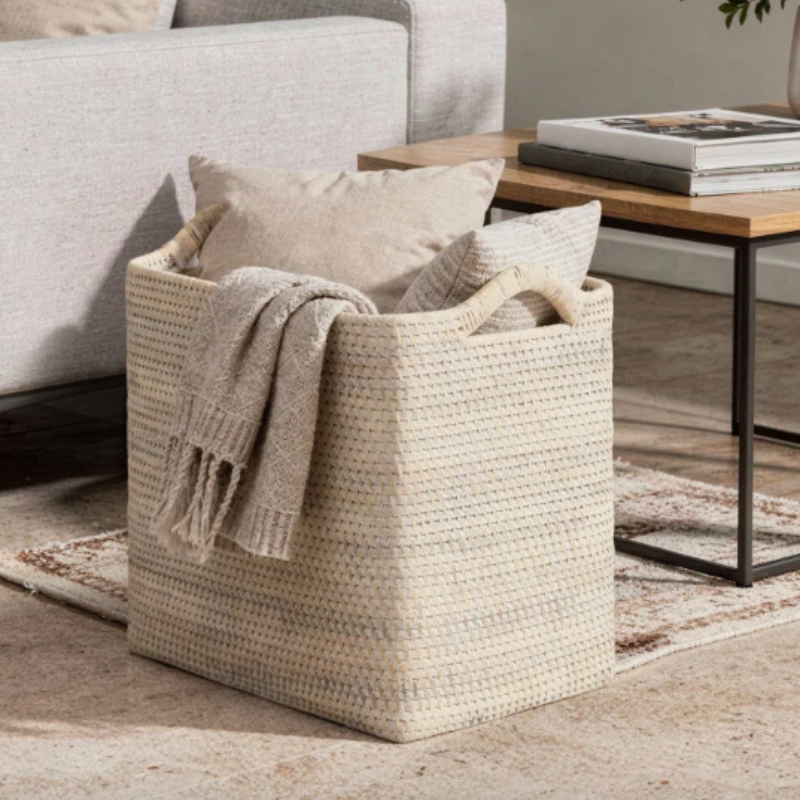
One Large Basket
A single well-placed basket is often more useful than several small bins scattered around the room.
Tray or Closed Box
Grouping small items makes a coffee table or console feel calmer and easier to reset.
Warmth Without Crowding
Make the Room Feel Cozy, Not Overdecorated
A room can feel warmer with better light, one useful soft layer, and a stronger focal point.
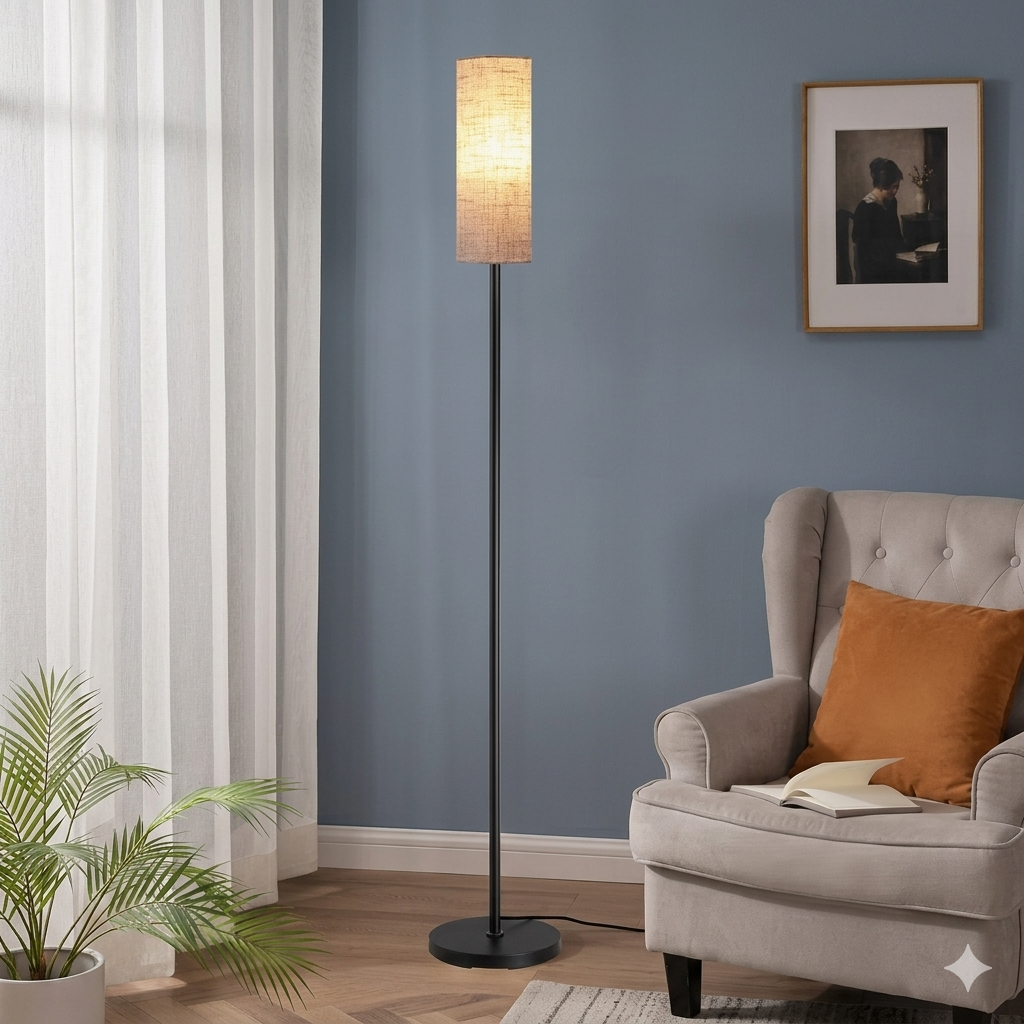
Add Focused Lighting
A slim floor lamp or compact table lamp adds depth and makes a chair or sofa corner more useful at night.
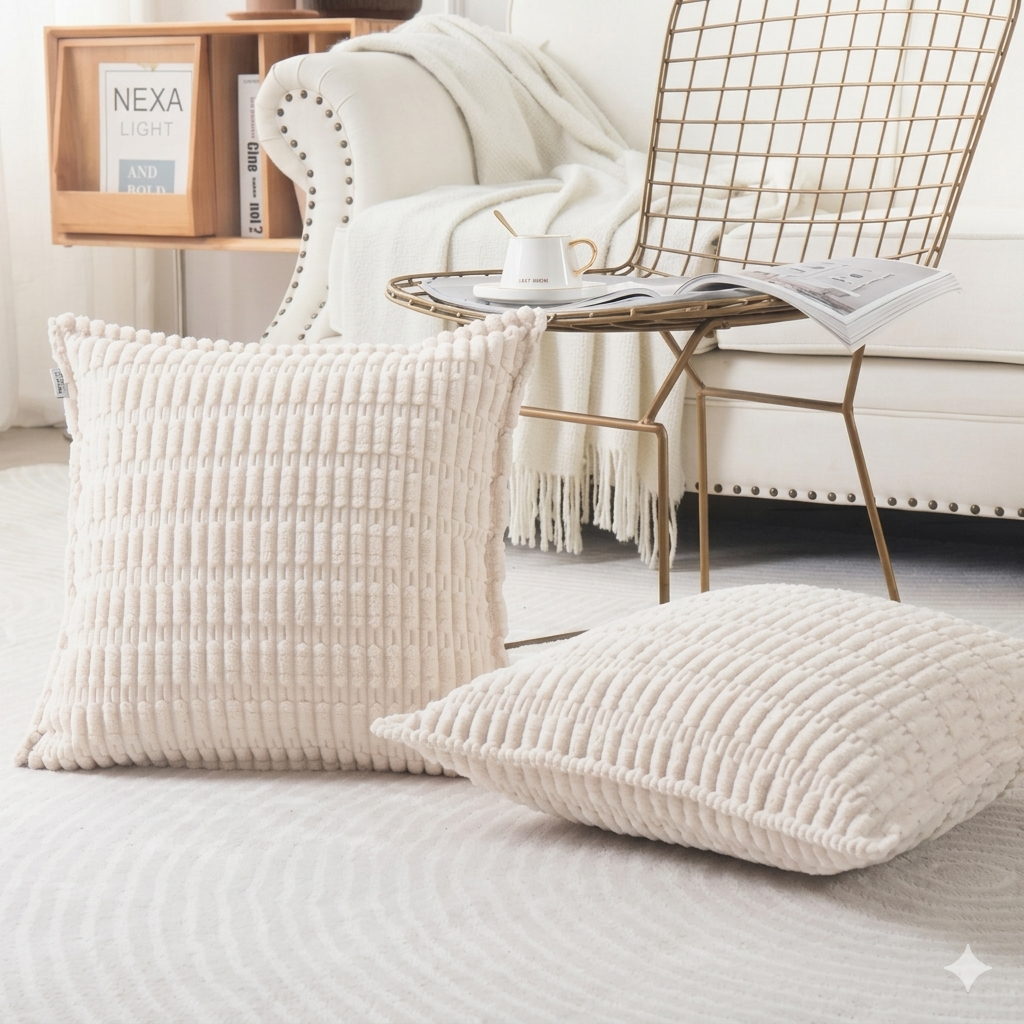
Repeat One Soft Texture
Use a throw or pillow covers in one repeated texture instead of layering many unrelated accessories.
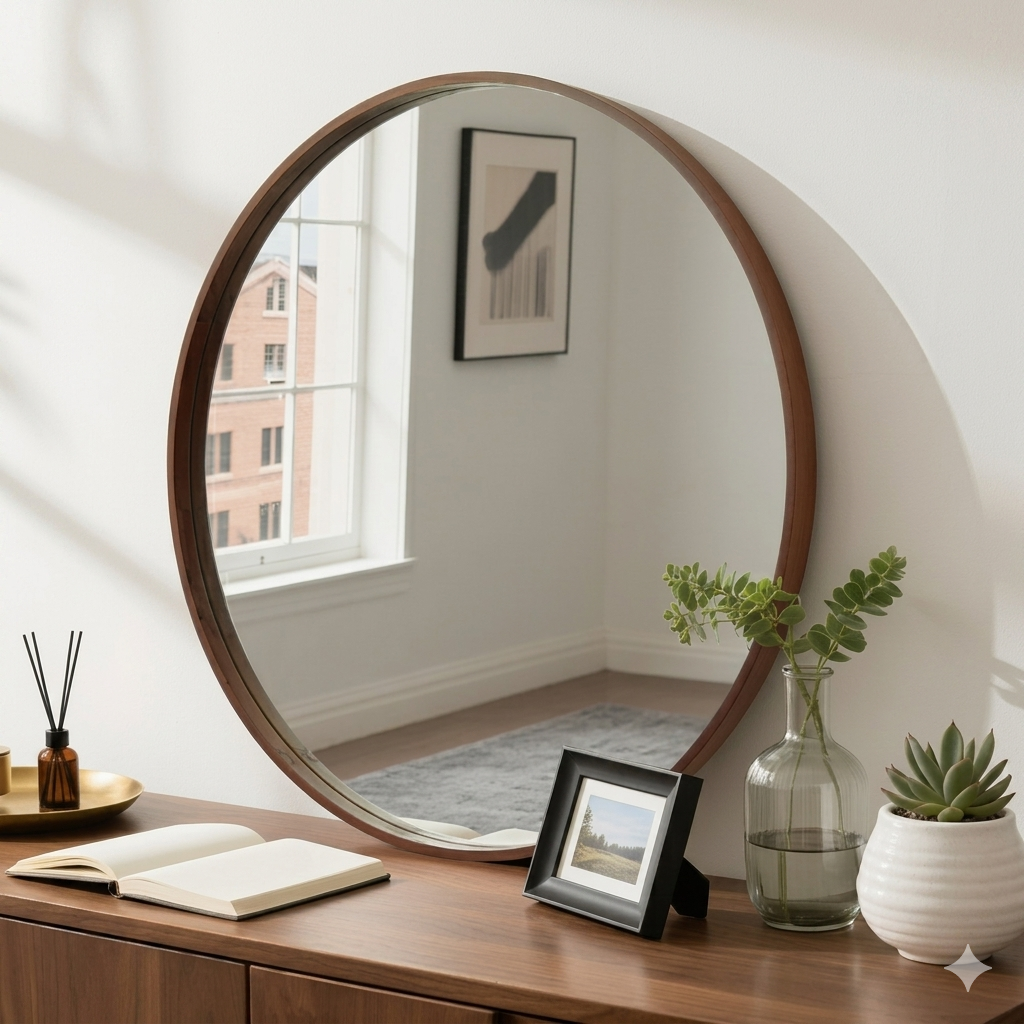
Reflect Natural Light
A well-placed mirror can brighten a wall without using floor or tabletop space.
Style One Small Group
Use a tray, vase, or small stack of books, then leave the rest of the surface open.
Use the Shape You Have
Ideas by Living Room Type
The best solution depends on the traffic pattern, focal point, and features you cannot move.
Keep One Side Lighter
Place the largest seating piece along one long wall and avoid filling both sides with deep furniture.
Define the Living Zone
A sofa and correctly sized rug can create a clear living area while preserving the route to the kitchen or dining space.
Prioritize Viewing and Movement
A slightly offset layout may work better than forced symmetry if it protects the walkway and reduces window glare.
Keep the Outdoor Route Direct
Do not make people weave around a table or chair whenever they carry food, laundry, toys, or cushions outside.
Real-Life Shared Space
Make Room for Play, Guests, and Daily Routines
A family living room often needs flexible open space more than it needs another chair or table.
Preserve One Open Floor Area
Removing or moving a large coffee table may create more useful space for play, exercise, or gatherings.
Keep Storage Near the Activity
Use low, stable storage for frequently used items, but keep it outside the main walking path.
Choose Flexible Extra Seating
A small ottoman, sturdy pouf, or dining chair that can move into the room may be more useful than a permanent accent chair.
Check Safety and Accessibility
Secure unstable furniture, protect sharp corners, manage cords, and keep doors, vents, and essential pathways clear.
Continue With the Right Guide
Detailed Help for Your Next Step
Use this page as the hub, then move into the guide that matches the problem you are currently solving.
Six Practical Living Room Layouts
Compare arrangements for narrow rooms, television viewing, patio doors, open concepts, and play areas.
Compare the layouts → Before You BuyWill It Fit? Measuring Guide
Check the room, furniture footprint, operating clearance, doorway, and delivery route.
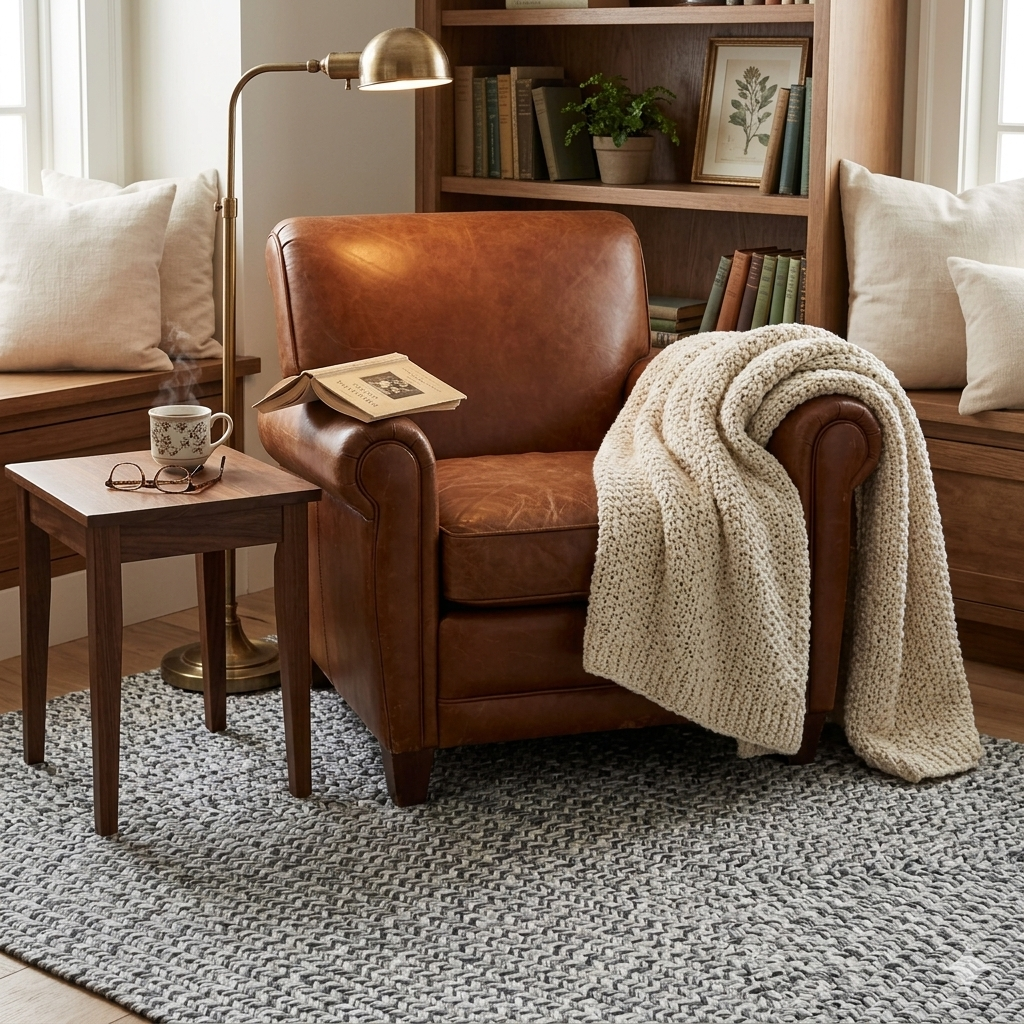
Measure before ordering → Unused CornerCreate a Cozy Reading Nook
Turn one usable corner into a comfortable place to read without crowding the main seating area.
Build the reading corner → Decor and ShoppingStylish Apartment Decor for Small Spaces
Choose warm lighting, soft layers, storage, mirrors, and finishing touches by the problem they solve.
Explore the decor guide → Daily ClutterReset a Small Space in 15 Minutes
Use a realistic short routine to make the room usable again without turning it into a deep-cleaning project.
Start the reset → Whole-Home HelpExplore the Small Spaces Hub
Continue with furniture, organization, storage, and decorating ideas for the rest of the apartment.
Browse small-space ideas →Common Questions
Small Living Room FAQ
How do I make a small living room feel bigger?
Clear the main walkway, reduce furniture depth, leave some floor and wall space open, and use lighting or a mirror to create visual depth.
Should all furniture sit against the walls?
No. In some open layouts, floating the sofa creates a clearer living zone. The best placement depends on traffic flow and room function.
What can I use instead of a coffee table?
Try a storage ottoman, nesting tables, small side tables, or an open center area when the room needs more movement space.
How do I add storage without making the room crowded?
Choose one storage piece for a specific clutter problem and place it near where the items are used.
Start With One Change
Your Living Room Needs a Better Plan, Not More Stuff
Fix the layout first, measure before buying, and add storage or decor only when it solves a clear problem.